
Selecting the right door for your home is essential to achieving the perfect balance of style and performance.
With so many options available on the market, it can sometimes feel overwhelming, and we completely understand.
Two of the most popular choices are uPVC and composite doors, and for good reason. Both are known for their durability, excellent security, energy efficiency, and overall value.
In this blog, we’ll explore the differences between these two options to help you decide which is best for your home and lifestyle. We’ll cover:
- What is a uPVC Door?
- What is a Composite Door?
- Several Factors to Consider
- Final Verdict: Which One Should You Choose?
If you have any questions or would like a FREE, no-obligation quote from our team, simply get in touch with All Weather Roofline by calling 0800 612 2127 or using the contact form on our website.
uPVC Front Doors
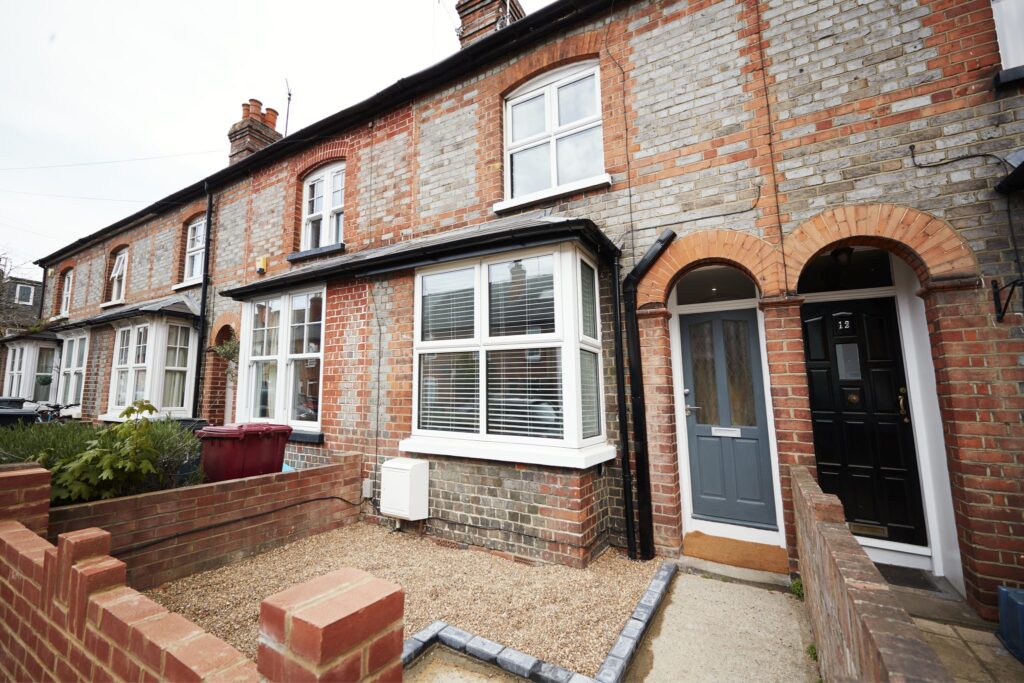
uPVC stands for ‘unplasticised polyvinyl chloride’ and is a type of plastic that has been widely used in the construction industry for decades. It is rigid, weather-resistant, and low-maintenance, making it a popular choice for doors and windows around the world.
uPVC doors typically have a steel core for added strength but are primarily made from plastic. They are lightweight, relatively affordable, and available in a wide range of styles and colours.
While uPVC doors are often associated with a classic white appearance, they are now available in various finishes to suit modern designs.
Composite Doors
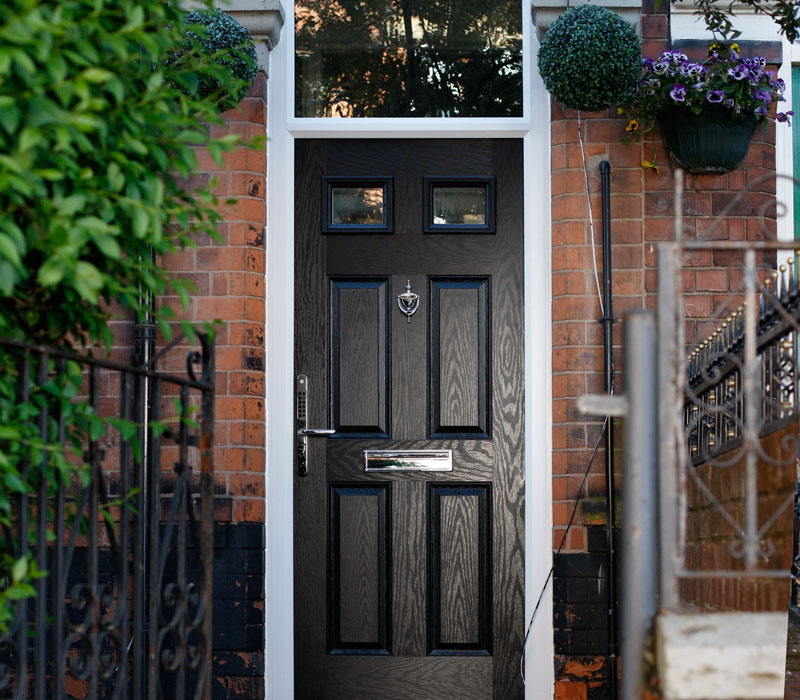
Composite doors are a more modern development, created to address some of the limitations of single-material doors like timber or uPVC.
As the name suggests, composite doors are made from a combination of materials, typically including a solid timber core, uPVC or laminate outer layers, reinforced frames, and a GRP (glass-reinforced plastic) skin. This combination of materials results in a door that provides superior strength, insulation, and longevity, making it a highly popular choice among our customers across all SIX branches.
uPVC Vs Composite Doors
Aesthetic Appearance
Choosing the right look and feel for a door is essential, as it plays a significant role in your home’s overall style. uPVC doors tend to have a more basic appearance, offering various colours and finishes to suit your preferences.
In contrast, composite doors provide a wider range of design options. They are often crafted to mimic the appearance of traditional wooden doors, but with modern performance features that deliver multiple benefits. You can choose from an extensive selection of colours, textures, styles, and designs to perfectly complement your home.
Security
Security is a top priority for homeowners investing in a new front or back door. uPVC doors provide decent security features, particularly when fitted with a multi-point locking system. However, due to their lighter weight and typically thinner core, they may not offer the same level of resistance to forced entry as composite doors.
Composite doors are significantly stronger, thanks to their solid core and reinforced frame. Most come with high-security locking mechanisms as standard and have undergone rigorous security testing.
Energy-Efficiency
Both uPVC and composite doors are designed to be energy-efficient, helping reduce heat loss and lower energy bills. They help maintain a cooler indoor temperature during the summer and keep the space warmer in the winter—ideal for year-round comfort.
uPVC doors provide good insulation properties, especially when fitted with energy-efficient glazing and draught-proofing. Composite doors feature a multi-layered construction, with a solid timber core that offers excellent insulation and energy efficiency.

Durability and Maintenance
uPVC doors are renowned for their low maintenance. They won’t rot, rust, or peel, requiring only an occasional cleaning with soapy water to keep them looking fresh. However, over time, cheaper uPVC doors may warp or discolour, especially when exposed to strong sunlight, which could mean more frequent replacements.
Composite doors are highly durable and weather-resistant. Their tough GRP (glass-reinforced plastic) skin resists scratches, fading, and warping, requiring minimal maintenance.
Lifespan
A uPVC door typically lasts around 20 to 25 years, depending on its quality and how well it’s maintained. Over time, they may show signs of wear, particularly around the frame or through fading.
Composite doors have a longer lifespan, often exceeding 30 years. Thanks to their robust construction, they are less likely to suffer from damage or wear and tear over time.
Cost
One of the main advantages of uPVC doors is their affordability. They are considerably cheaper than composite doors, making them a budget-friendly option for many homeowners. With long-term use, they could be the ideal solution for those on a tighter budget.
Composite doors are more expensive, often by several hundred pounds. However, many consider the investment worthwhile due to their enhanced security, aesthetics, and durability. Over time, composite doors may save money by improving energy efficiency and reducing the need for replacements.
Final Verdict: uPVC Or Composite?
There isn’t a “one size fits all” answer when it comes to choosing the best front door. Your home is unique, and so are your preferences when it comes to design, performance, and long-term goals.
That said, we recommend considering all the factors we’ve discussed above before making your decision.
If you’re working within a tighter budget, uPVC doors may provide everything you need at a more affordable price point.
On the other hand, if you’re looking for a more sophisticated door with superior performance, composite doors could be the better choice.
Both options have their place in modern homes, and the right choice ultimately depends on your specific needs.
Contact All Weather Roofline

Whether you have a barrage of questions or would like a FREE quote for any of our uPVC or composite doors, we’ve got you covered here at All Weather Roofline.
Simply give us a call between 9am and 5pm, Monday to Friday, on 0800 612 2127, or use the contact form on our website, and we’ll get back to you as soon as possible.